INTRODUCTION
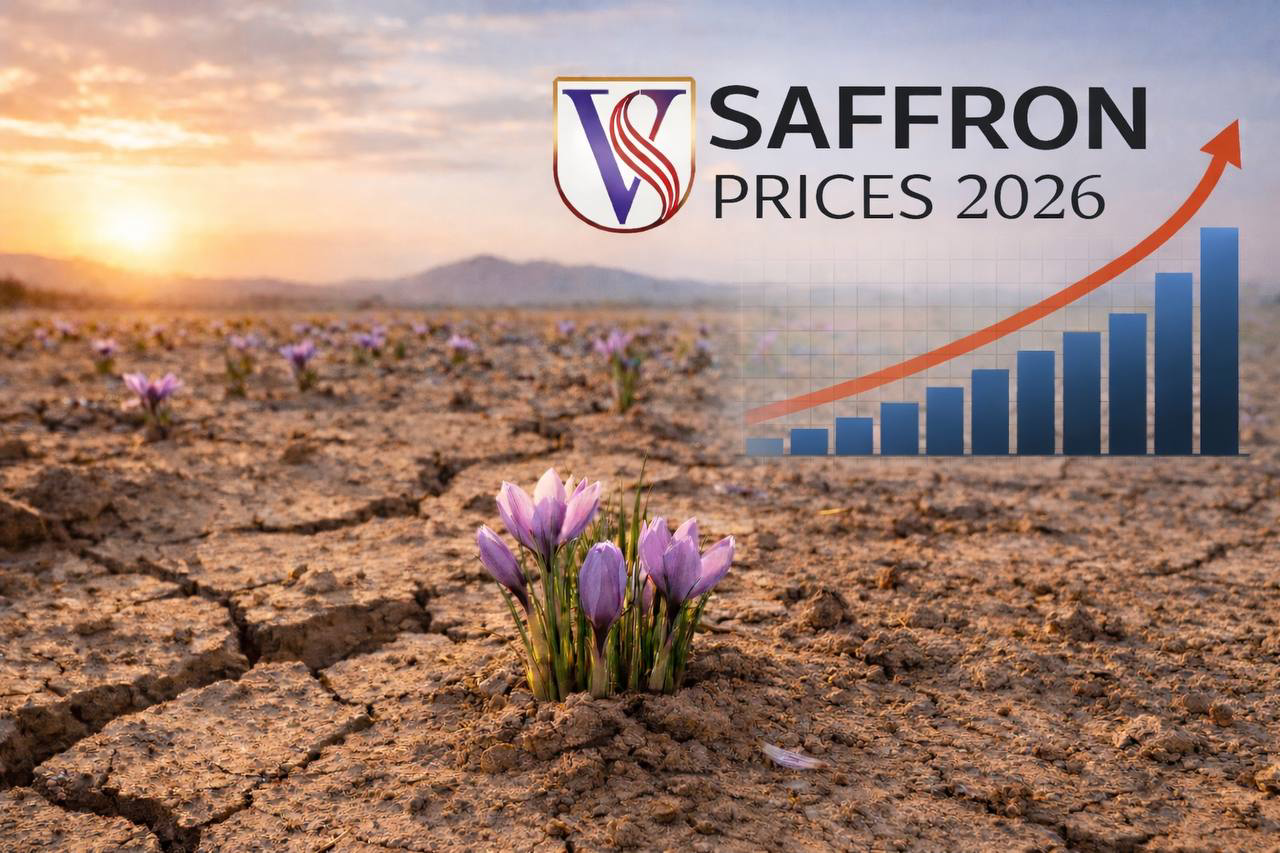
The global saffron market is entering a critical phase. As we approach 2026, saffron prices are becoming increasingly influenced by climate change, reduced harvest volumes, and steadily growing global demand. Because saffron is one of the most valuable spices in the world, even small disruptions in production can have a significant impact on pricing and availability.
This article provides a clear and realistic overview of what is shaping saffron prices in 2026 and what buyers, businesses, and industry professionals should expect in the coming years.
Global Saffron Production Overview
Saffron production is highly concentrated in a small number of regions worldwide. Iran remains the dominant producer, accounting for the majority of global supply, followed by countries such as Afghanistan, Spain, and Morocco. This limited geographic distribution makes the saffron market particularly sensitive to environmental and economic disruptions.
When production levels decline in key regions, global supply tightens quickly, leading to noticeable price fluctuations across international markets.
Climate Change and Its Impact on Saffron Harvests
In recent years, climate change has become one of the most critical challenges facing saffron cultivation. Irregular rainfall patterns, prolonged droughts, rising temperatures, and unpredictable seasonal shifts have negatively affected saffron-growing regions.
Saffron is a crop that depends heavily on precise climatic conditions. Even minor changes in temperature or water availability can disrupt flowering cycles and reduce yields. As a result, many farmers have reported significantly lower harvest volumes compared to previous years.
These environmental pressures are expected to remain a key factor influencing saffron prices in 2026.
Reduced Harvest Volumes and Supply Constraints
Lower harvest volumes have already begun to reshape the global saffron supply chain. In several producing regions, saffron output has declined noticeably due to adverse weather conditions and water scarcity.
Reduced supply creates a natural imbalance between availability and demand. Because saffron cannot be produced quickly or substituted easily, supply shortages tend to push prices upward rather than stabilize them. This dynamic is especially relevant for premium-grade saffron, where quality consistency and limited availability play a major role in pricing.
Growing Global Demand for Saffron
While supply faces increasing pressure, global demand for saffron continues to expand. Beyond traditional culinary use, saffron is now widely used in pharmaceuticals, cosmetics, nutraceuticals, and wellness products.
Markets in Europe, North America, and parts of Asia are showing steady growth in demand for high-quality saffron. This diversification of use has strengthened saffron’s position as a premium agricultural product and has contributed to sustained upward pressure on prices.
Saffron Price Trends and Outlook for 2026
Based on current market conditions, saffron prices in 2026 are expected to remain at elevated levels. Rather than sudden price spikes, the market is more likely to experience gradual increases driven by ongoing supply constraints and strong global demand.
Premium saffron, in particular, is expected to maintain higher price ranges as buyers place greater emphasis on quality, traceability, and consistent sourcing. External factors such as currency fluctuations, transportation costs, and regulatory requirements may also influence final retail prices in different regions.
What Buyers and Businesses Should Consider
For buyers and businesses involved in the saffron market, understanding long-term price trends is becoming increasingly important.
Strategic sourcing, quality-focused purchasing decisions, and long-term supplier relationships can help mitigate the impact of price volatility.
As the market moves toward 2026, transparency, sustainability, and quality assurance will play a greater role in purchasing decisions, particularly within premium segments.
Conclusion
Saffron prices in 2026 will reflect a complex combination of climate-related challenges, reduced harvest volumes, and rising global demand. While market conditions remain dynamic, one trend is clear: saffron’s value as a premium spice continues to strengthen.
Staying informed about production trends and market forces will be essential for buyers, businesses, and anyone involved in the global saffron industry as the market evolves.